
Understanding Raw Food Diets for Pets
- Grace Giglione
- Oct 13, 2025
- 4 min read

Feeding our pets is one of the most important responsibilities we have as pet owners. Over the years, many have shifted from traditional kibble to more natural options, including raw food diets. I have explored this approach deeply and want to share insights that can help you decide if a raw food diet is right for your furry friend. This post will cover essential raw pet nutrition tips, explain the 80-10-10 rule for raw dog food, and provide practical advice for transitioning your pet safely.
Why Consider Raw Pet Nutrition Tips?
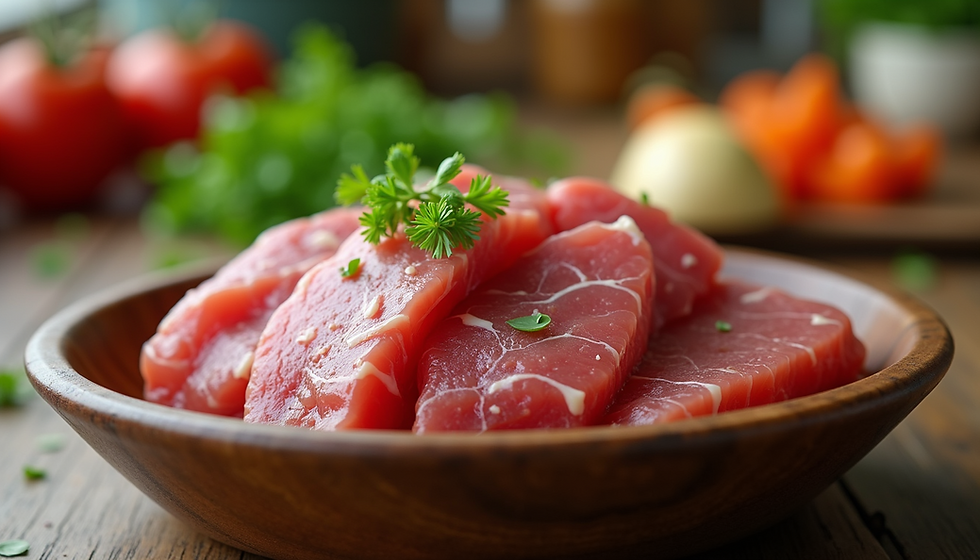
When I first learned about raw pet diets, I was curious about the benefits and risks. Raw feeding involves giving pets uncooked meat, bones, fruits, and vegetables, aiming to mimic what their ancestors ate in the wild. Many pet owners report improvements in coat shine, energy levels, and digestion after switching to raw.
Here are some key reasons why raw pet nutrition tips matter:
Improved Digestion: Raw diets often contain natural enzymes that can aid digestion.
Better Coat and Skin Health: The high-quality fats and proteins support a shiny coat.
Increased Energy: Many pets show more vitality and enthusiasm.
Reduced Allergies: Some pets with food sensitivities benefit from raw diets.
However, it is essential to approach this diet carefully. Not all raw diets are created equal, and improper feeding can lead to nutritional imbalances or health risks.

Essential Raw Pet Nutrition Tips for a Balanced Diet
To ensure your pet thrives on a raw food diet, you need to focus on balance and quality. Here are some practical tips I have found useful:
Variety is Key
Rotate different protein sources such as chicken, beef, turkey, and fish. This variety helps provide a broad spectrum of nutrients.
Include Organ Meats
Organs like liver and kidney are nutrient-dense and essential for a balanced diet. They provide vitamins and minerals that muscle meat alone cannot.
Add Raw Bones Safely
Raw bones are excellent for dental health and calcium. Avoid cooked bones as they can splinter and cause harm.
Incorporate Vegetables and Fruits
While pets are primarily carnivores, small amounts of vegetables like broccoli , spinach, and celery can add fiber and antioxidants.
Supplement When Necessary
Depending on your pet’s needs, supplements like fish oil or probiotics may be beneficial.
Maintain Hygiene
Handle raw food with care to prevent bacterial contamination. Clean feeding bowls and storage areas regularly.
Consult R4R
Before switching diets, discussing with experts at R4R to ensure it suits your pet’s health status.
By following these tips, you can create a nutritious and safe raw feeding plan tailored to your pet’s needs.

What is the 80-10-10 Rule for Raw Dog Food?
One of the most popular guidelines in raw feeding is the 80-10-10 rule. This rule helps pet owners create a balanced meal by dividing the components into specific percentages:
80% Muscle Meat: This includes the main protein source such as chicken breast, beef, or lamb.
10% Raw Edible Bone: Bones provide calcium and phosphorus, crucial for bone health.
10% Organ Meat: Organs like liver and kidney supply essential vitamins and minerals.
This ratio aims to replicate the natural diet of wild canines. For example, if you prepare 1 kilogram of raw food, 800 grams should be muscle meat, 100 grams raw bone, and 100 grams organ meat.
It is important to note that some variations exist depending on your pet’s specific needs, age, and health conditions. For instance, puppies and pregnant dogs may require more organ meat and bone or different nutrient ratios.
Using the 80-10-10 rule as a foundation, you can customize meals while ensuring your pet receives a balanced diet.

Transitioning Your Pet to a Raw Food Diet
Switching your pet to a raw food diet requires patience and careful planning. Here are some steps I recommend:
Start Slowly
Contact R4R for your customized transition schedule.
Observe Your Pet
Watch for any digestive upset such as diarrhea or vomiting. If these occur, slow down the transition.
Monitor Weight and Health
Keep track of your pet’s weight and energy levels. Adjust portions as needed.
Prepare Food Safely
Use fresh, high-quality ingredients. Freeze meat before use to reduce parasites.
Stay Consistent
Raw feeding works best when consistent. Avoid frequent diet changes.
Educate Yourself
Read reputable sources and consider consulting a pet nutritionist.
By following these steps, you can help your pet adjust comfortably and enjoy the benefits of a raw diet.
Common Concerns and How to Address Them
Many pet owners worry about the safety and nutritional adequacy of raw diets. Here are some common concerns and my recommendations:
Bacterial Contamination
Raw meat can carry bacteria like Salmonella. To minimize risk, buy from trusted suppliers, freeze meat before feeding, and maintain strict hygiene.
Nutritional Imbalance
Feeding only muscle meat can cause deficiencies. Use the 80-10-10 rule and include supplements if necessary. Also consider the sources your raw food provider uses!!! Is it human grade sourced or rendered proteins?
Choking or Bone Injuries
Always feed raw bones, never cooked. Supervise your pet during mealtime.
Cost and Convenience
Raw feeding can be more expensive and time-consuming. R4R prioritized the highest quality product at wholesale prices.
Pet nutritionist support
Most vets are skeptics however there is support with raw fed pets-please call or message Grace at 204-294-5117 for support.
Addressing these concerns with knowledge and preparation can make raw feeding a safe and rewarding experience.
Embracing a Raw Pet Food Diet Responsibly
Choosing to feed your pet a raw pet food diet is a commitment to their health and well-being. It requires education, effort, and attention to detail. However, the rewards can be significant - from improved vitality to a happier, healthier pet.
Remember, every pet is unique. What works for one may not work for another. Always prioritize your pet’s individual needs and consult professionals when in doubt.
By applying these raw pet nutrition tips and understanding the principles behind raw feeding, you can make informed decisions that benefit your beloved companion for years to come.


Comments